Five Reasons Even the Healthiest Men End Up in a Urologist's Office
Photo: Internet Archive Book Images, No restrictions, via Wikimedia Commons
Every urologist has met him: the patient in the moisture-wicking shirt who runs 40 miles a week, hasn't had fast food since college, and cannot understand why his body is betraying him. If that description sounds uncomfortably familiar, here is the first thing you need to hear — ED in fit, healthy men is common, well-documented, and usually has an identifiable cause that has nothing to do with moral failure.
When the standard explanations (cardiovascular risk, smoking, obesity, uncontrolled diabetes) have been ruled out, these are the culprits most often hiding in plain sight.
1. Pelvic Floor Dysfunction
The muscles of the pelvic floor play a direct mechanical role in achieving and maintaining an erection. Chronic tension in these muscles — often driven by prolonged sitting, stress, or old injuries — can impair the blood-trapping mechanism that sustains rigidity. It is remarkably common in otherwise athletic men and remarkably underdiagnosed. Pelvic floor physical therapy, increasingly available across the US, is frequently the fix.
2. Cycling-Related Nerve and Vascular Compression
The saddle position on a road bike places sustained pressure on the perineum — precisely where the nerves and arteries serving erectile function pass. Long-distance cyclists can develop temporary or, with chronic exposure, longer-lasting numbness and erectile difficulty. This does not mean hanging up the bike; it means a proper bike fit, a noseless or pressure-relief saddle, standing intervals on long rides, and honest disclosure at your next checkup.
3. Hormonal Quirks That Standard Panels Miss
A basic testosterone reading can look acceptable while subtler imbalances — an unfavorable estrogen ratio, elevated prolactin, thyroid dysfunction, or low free testosterone despite normal total levels — quietly interfere with function. Fit men sometimes assume their labs are fine because they feel fine everywhere else. Comprehensive hormonal testing, including free testosterone and SHBG, is a reasonable next step when the standard workup comes back clean.
4. The Psychological Layer No One Talks About
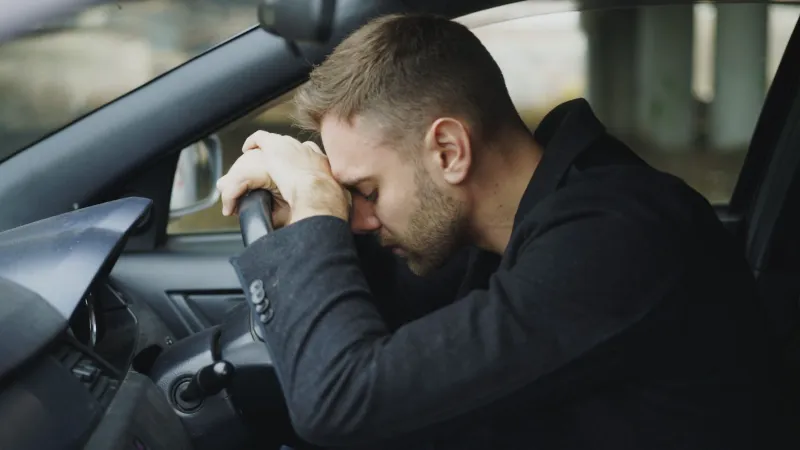
Performance anxiety, work stress, and relationship dynamics do not care about your resting heart rate. In younger and fitter patients, psychological factors are among the most common causes of ED — and the fitter you are, the more shocking a single episode of dysfunction feels, which only deepens the anxiety. Morning erections that remain normal are often the telltale clue that the machinery works and the interference is upstream, in the mind.
5. Overtraining and Under-Recovery
There is a tipping point where elite training volume stops building health and starts depleting it. Chronically elevated cortisol, insufficient sleep relative to training load, and extreme low body fat can all suppress the hormonal axis that drives libido and erectile function. Marathoners and competitive amateurs are the classic demographic. A deload week is sometimes worth more than a prescription.
The Diagnostic Path 'Healthy' Patients Skip
Here is the practical problem: when a fit 38-year-old reports ED, clinicians sometimes assume the answer must be psychological and stop looking. If that happens to you, it is fair to ask for more — a full hormonal panel, a cardiovascular assessment, a medication and supplement review, and a conversation about pelvic floor symptoms and training volume.
Erectile dysfunction in a healthy man is not a contradiction. It is a signal with a source — and with the right diagnostic persistence, that source can usually be found and treated.