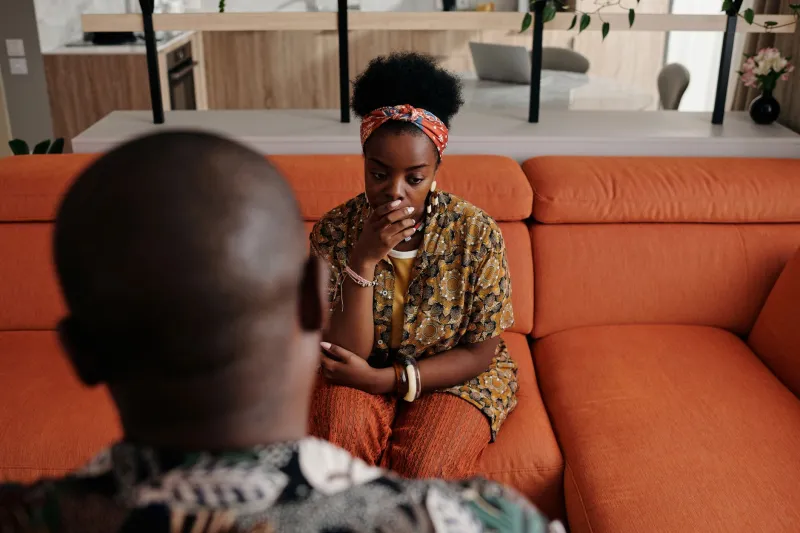
When Life Gets Complicated: How Routine Disruptions Quietly Affect Sexual Performance
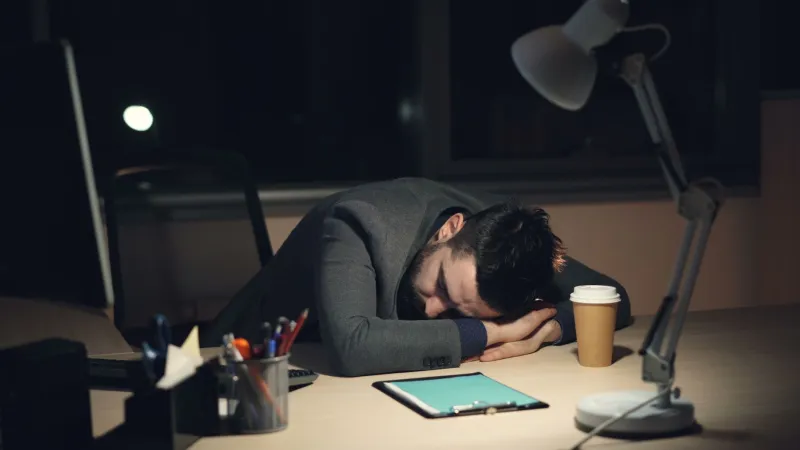
A business trip, a new job, a cross-country move — these life events feel unrelated to sexual health, yet they frequently coincide with unexpected episodes of erectile difficulty. Men often interpret these episodes as signs of worsening underlying conditions, when in reality the culprit is something far more mundane: the slow erosion of the daily habits that quietly sustain sexual function.
This phenomenon — sometimes called lifestyle creep in wellness circles — refers not to gradual overindulgence but to the incremental drift away from health-supporting behaviors during periods of transition. It is subtle, cumulative, and remarkably common.
The Physiology of Routine
Erectile function is, at its foundation, a vascular and neurological event. Blood flow, nerve signaling, and hormonal balance all contribute to a healthy response. What is less commonly appreciated is how profoundly these systems depend on behavioral consistency.
Sleep is perhaps the clearest example. Testosterone production peaks during REM sleep, and even modest sleep disruption — the kind that accompanies a red-eye flight, a new time zone, or the anxiety of a major life change — suppresses this production measurably. A man who normally sleeps seven and a half hours may find himself averaging five and a half during a demanding project at work, and notice, weeks later, that his sexual responsiveness has diminished without obvious explanation.
The connection is real, but the delay between cause and effect makes it nearly invisible.
Business Travel: A Perfect Storm
For men who travel frequently for work, the pattern is often consistent: normal sexual function at home, intermittent difficulty on the road. Multiple factors converge during business travel to create what is effectively a temporary suppression of sexual performance.
Time zone changes disrupt circadian rhythms, which govern cortisol and testosterone release patterns. Hotel diets tend toward calorie-dense, nutrient-poor options that favor saturated fats over the vegetables and lean proteins that support vascular health. Exercise routines collapse in unfamiliar environments. Alcohol consumption frequently increases during client dinners and after-work social obligations — and alcohol, even in moderate quantities, is a vasodilator that paradoxically reduces erectile quality.
Add the background stress of deadlines, presentations, and the social performance demands of professional travel, and the sympathetic nervous system remains chronically elevated. That sustained activation of the fight-or-flight response suppresses the parasympathetic activity that sexual arousal requires.
The result is not dysfunction in any clinical sense. It is a temporary, environmentally induced suppression that typically resolves when the man returns to his normal routine.
Seasonal Shifts and Their Underestimated Impact
Seasonal transitions affect more than mood. Vitamin D levels, which influence testosterone production and vascular function, drop significantly during fall and winter months in most of the United States, particularly north of the 37th parallel — roughly the latitude of San Jose, California.
Men who are physically active outdoors during summer months often reduce their exercise substantially during winter, compounding the hormonal effects of reduced sun exposure. Dietary patterns shift. Social isolation increases. All of these changes interact with sexual health in ways that accumulate gradually enough to escape conscious notice.
Some men report their most consistent difficulties during the November-through-February window and attribute it to stress or aging, never connecting it to a seasonal pattern that is, in many cases, addressable.
The New Job, the New Home, the New Pressure
Major life transitions introduce a category of stress that is distinct from acute stress. Psychologists sometimes describe this as anticipatory stress — the sustained cognitive load of navigating unfamiliar environments, responsibilities, and social expectations.
Starting a new job activates this kind of stress for weeks or months. Moving to a new city compounds it. The man may not feel acutely anxious in any given moment, yet his cortisol remains chronically elevated, his sleep is lighter than usual, his eating is less consistent, and his capacity for the kind of mental relaxation that facilitates genuine sexual arousal is substantially reduced.
This is not a psychological weakness. It is a predictable physiological response to genuine environmental demands, and it has a predictable endpoint: once the new environment becomes familiar and the cortisol load normalizes, sexual function typically rebounds.
Strategies for Maintaining Performance During Transitions
The most effective approach is proactive rather than reactive. Men who anticipate that a period of disruption is coming can take deliberate steps to preserve the habits most directly linked to sexual health.
Prioritize sleep above other optimizations. If only one habit survives a chaotic period, protecting sleep duration and consistency should be the priority. Even imperfect sleep in a hotel room is substantially better than the four-hour nights that business travel can produce.
Maintain some version of physical activity. A twenty-minute walk is not equivalent to a structured gym session, but it is meaningfully better than complete inactivity. The vascular and hormonal benefits of movement are dose-dependent but not all-or-nothing.
Moderate alcohol during high-stress periods. This is counterintuitive for many men, since alcohol feels like a stress reliever. In practice, it disrupts sleep architecture and directly impairs erectile function, making already challenging periods harder to navigate sexually.
Communicate with a partner about the transition. Partners who understand that a temporary performance change is environmentally driven — not a sign of waning attraction or worsening health — are far better positioned to respond with patience rather than concern or withdrawal.
Consider whether ED medication may serve a bridging function. For men who already use or are considering PDE5 inhibitors, these transitional periods are precisely when medication can reduce the compounding effect of performance anxiety on an already stressed system. Consulting a healthcare provider about whether this is appropriate for a specific situation is worthwhile.
Perspective Is Protective
Perhaps the most clinically underrated intervention during these periods is accurate attribution. Men who understand that their temporary sexual difficulty is driven by disrupted sleep, elevated cortisol, and altered nutrition — rather than by a fundamental decline in their health — experience significantly less performance anxiety. That reduction in anxiety itself improves outcomes.
Lifestyle creep is reversible. Routines can be rebuilt. The body's capacity to restore sexual function once stabilizing conditions return is, for most men in good underlying health, robust and reliable.