The Molecule Behind the Mechanism: How Nitric Oxide Drives Erectile Function and What You Can Do to Boost It
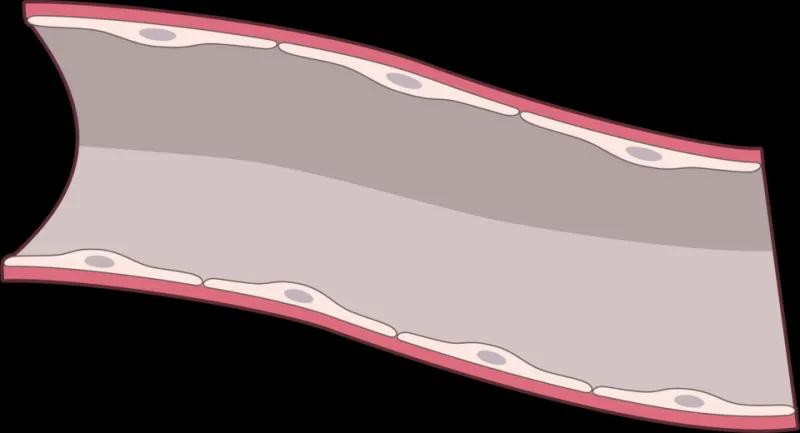
Photo: Courtesy of NIAID Ryan Kissinger, Public domain, via Wikimedia Commons
When most men think about erectile dysfunction treatment, their minds go immediately to medication. That association is understandable — prescription ED therapies are effective, widely available, and have helped millions of American men reclaim their sexual confidence. But there is a deeper biological story worth understanding, one that begins not in a pharmacy but in the lining of your blood vessels.
At the center of that story is a molecule so small it consists of just two atoms: nitric oxide, abbreviated as NO. Despite its modest size, nitric oxide is arguably the single most important chemical compound involved in achieving and sustaining an erection. Understanding how it works — and how to support its production — can meaningfully improve your outcomes whether you use medication, lifestyle strategies, or both.
What Nitric Oxide Actually Does
The penis becomes erect through a precise hydraulic process. Sexual arousal triggers the nervous system to release signals that prompt specialized cells lining the blood vessels of penile tissue — the endothelial cells — to synthesize and release nitric oxide. That nitric oxide diffuses into the smooth muscle cells surrounding the blood vessels and activates an enzyme called guanylate cyclase, which produces a compound called cyclic GMP (cGMP).
cGMP is the true mechanical switch. It causes smooth muscle to relax, allowing the arteries to dilate and blood to rush into the spongy erectile tissue called the corpora cavernosa. As that tissue fills with blood and compresses the veins that would normally drain it, an erection is achieved and maintained.
Without adequate nitric oxide, this entire cascade either stalls or proceeds too weakly to produce a firm, sustained erection. This is not a peripheral detail — it is the core mechanism.
Where ED Medications Fit In
Phosphodiesterase type 5 (PDE5) inhibitors — the class that includes sildenafil, tadalafil, vardenafil, and avanafil — do not introduce nitric oxide into the body. They do not replace it. What they do is protect the cGMP that nitric oxide has already produced.
Under normal circumstances, an enzyme called PDE5 breaks down cGMP, eventually ending the erection. PDE5 inhibitors block this enzyme, allowing cGMP to accumulate and persist, thereby extending and strengthening the erectile response. The critical implication: if your body is not generating sufficient nitric oxide in the first place, PDE5 inhibitors have relatively little cGMP to protect. This is one reason why these medications work better for some men than others, and why lifestyle factors can significantly influence their effectiveness.
Why Nitric Oxide Production Declines
Several well-documented factors suppress nitric oxide synthesis over time. Endothelial dysfunction — a deterioration in the ability of blood vessel linings to produce NO — is closely associated with cardiovascular risk factors including hypertension, elevated LDL cholesterol, insulin resistance, obesity, and smoking. Chronic inflammation compounds the problem by generating free radicals that chemically neutralize nitric oxide before it can perform its function.
Aging also plays a role. Research published in leading cardiovascular journals has consistently demonstrated that endothelial nitric oxide synthase (eNOS) activity — the enzyme responsible for producing NO in blood vessels — declines with age. This partially explains why erectile difficulties become more prevalent as men move through their forties, fifties, and beyond.
Oxidative stress, driven by poor diet, sedentary behavior, inadequate sleep, and chronic psychological stress, accelerates this decline. In practical terms, the lifestyle habits that increase your risk of heart disease are the same habits that erode your body's capacity to generate the nitric oxide an erection depends on.
Dietary Strategies That Meaningfully Support Nitric Oxide
The most direct dietary pathway to increased nitric oxide involves inorganic nitrates found in certain vegetables. Leafy greens such as arugula, spinach, and Swiss chard are among the highest dietary sources. Beets and beet juice have received particular attention in sports performance research for their ability to raise plasma nitrate levels, improve blood flow, and enhance exercise endurance — effects driven almost entirely by nitric oxide upregulation.
The conversion pathway works as follows: dietary nitrates are absorbed in the upper gastrointestinal tract, circulated in the blood, and concentrated in saliva. Bacteria on the tongue convert salivary nitrate to nitrite, which is then swallowed and reduced to nitric oxide in the acidic environment of the stomach and bloodstream. This is worth noting because antibacterial mouthwashes that eliminate oral bacteria can disrupt this conversion — a small but real consideration for men focused on optimizing NO production.
L-arginine and L-citrulline, amino acids found in protein-rich foods such as chicken, turkey, pumpkin seeds, and watermelon, also serve as precursors to nitric oxide synthesis via a separate enzymatic pathway. While L-arginine supplements have shown inconsistent results in clinical trials, dietary citrulline — which the body converts to arginine more efficiently — has demonstrated more promising effects on erectile and vascular function in smaller studies.
Polyphenol-rich foods, including dark berries, pomegranate, dark chocolate, and green tea, protect nitric oxide from oxidative degradation, effectively extending the duration of its activity once produced.
Exercise as a Nitric Oxide Amplifier
Physical activity is one of the most potent known stimulators of endothelial nitric oxide synthase activity. When blood flow increases during exercise, the shear stress exerted on vessel walls triggers eNOS to upregulate NO production — a process that, with consistent training, leads to lasting improvements in endothelial function.
Aerobic exercise has the most robust evidence base in this context. Brisk walking, cycling, swimming, and jogging performed at moderate intensity for 30 to 45 minutes most days of the week have each been associated with measurable improvements in erectile function in clinical research. Resistance training contributes as well, particularly when combined with cardiovascular exercise, through its positive effects on testosterone, body composition, and insulin sensitivity.
The takeaway is straightforward: men who are physically active tend to have healthier endothelium, higher baseline nitric oxide availability, and better erectile function — independent of age.
Bringing It All Together
For men currently using or considering prescription ED medication, the nitric oxide framework offers a useful reorientation. Pharmaceutical treatments work within a biological system. The more robustly that system functions — the more efficiently your endothelium produces NO, the less oxidative stress degrades it, the better your circulation supports penile blood flow — the more effectively those medications can do their job.
Conversely, men who have not yet needed pharmaceutical intervention may find that optimizing nitric oxide production through diet and exercise is sufficient to address mild or early-stage erectile difficulties. The two approaches are not competing alternatives; they are complementary tools operating on the same biological pathway.
If you are experiencing persistent erectile difficulties, consulting a healthcare provider remains the appropriate first step. A physician can evaluate whether cardiovascular, hormonal, or other underlying factors are contributing to the problem and determine whether prescription treatment is warranted. What the nitric oxide story makes clear is that whatever treatment path you follow, the lifestyle choices you make every day are either working with your biology or against it. In erectile health, as in most areas of medicine, that distinction matters enormously.