The Space Between Prescriptions: Why ED Treatment Quietly Stalls—and the Systems That Keep It Moving
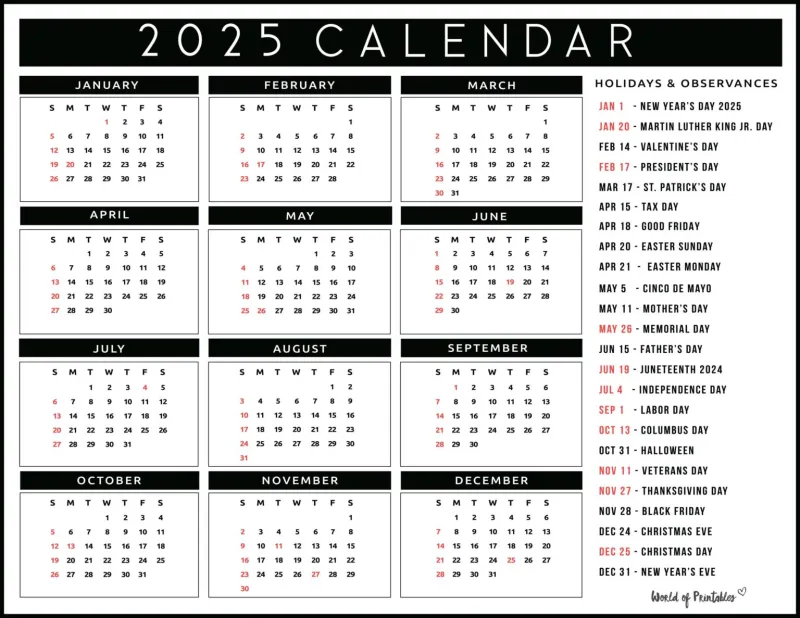
Photo: calendar with prescription pill bottle and refill reminder on desk, via worldofprintables.com
ED treatment has a quiet dropout problem. The first prescription is a decision. The second is a behavior. Between those two points, men encounter refill reminders, pharmacy checkout screens, insurance questions, side-effect worries, and the ordinary chaos of daily life. Somewhere in that space, many patients stop—not because the treatment failed, but because the system around it did.
That gap is often called nonadherence, but the label can be misleading. It suggests a personal failing. In practice, adherence is usually a design problem. The men who stay consistent are not necessarily more disciplined than anyone else. They have fewer friction points, clearer expectations, and a plan for the moments when treatment becomes inconvenient.
Why Men Stop After the First Prescription
The reasons are rarely dramatic. A man may finish the initial supply and discover that the refill process is more complicated than he expected. He may encounter a price that changed after the first fill, or a pharmacy that suddenly requires a new consultation. He may feel embarrassed about returning for a refill, even though the prescriber has already approved the treatment. He may worry that a side effect is a sign he should stop, without asking a clinician whether it is manageable.
Some men stop because the treatment worked and they no longer feel the same urgency. Others stop because it did not work as quickly as they hoped. Both reactions reflect a common misunderstanding: ED treatment is not a one-time purchase. It is a course of care that often requires titration, timing adjustments, and follow-up.
Cost surprises deserve special attention. A low introductory price can give way to a higher refill price, especially when consultation fees, shipping charges, or quantity requirements change. Men who feel misled once may not return at all. Transparent pricing and a clear refill policy are not marketing niceties; they are adherence tools.
The Refill Gap Is a Behavior Problem, Not a Character Flaw
Most people do not abandon health care because they are careless. They abandon it because the next step is unclear, expensive, embarrassing, or easy to postpone. A refill gap often begins with a small friction: a password that no longer works, a reminder that arrives at a busy moment, a pharmacy phone line that keeps callers on hold, or a billing statement that raises questions.
Men may also carry a private narrative about ED treatment. They may see the need for a refill as evidence that something is still wrong. They may worry that a clinician will judge them for asking questions. They may avoid the pharmacy counter because they do not want to explain themselves to a stranger. These feelings are common, and they are not signs of weakness. They are signs that the treatment process needs to be made easier and less exposed.
Build a Refill System Before You Need It
The best time to plan a refill is before the last dose. A simple calendar reminder set for one week before the supply runs out can prevent the scramble that leads to missed doses. A recurring reminder works better than a single note, especially for men who travel or work irregular hours.
Auto-refill and longer supply options can also help, when they are appropriate and permitted by the prescriber. A 90-day supply may reduce the number of checkout decisions, but it should not be chosen solely for convenience. Men should confirm the dose, the expiration timeline, and the return policy before committing to a larger quantity.
A dedicated place for medication and paperwork matters more than it sounds. Keeping the prescription label, the pharmacy contact information, and a simple log of effects in one location reduces the chance that a refill stalls because the details are scattered.
Make Cost Predictable
Cost uncertainty is one of the strongest drivers of abandonment. Men should ask the pharmacy for the total refill price before the first order, including consultation, shipping, and any mandatory fees. They should confirm whether that price is expected to remain stable and what would cause it to change.
A monthly budget line for ED treatment can turn an awkward expense into a planned one. Comparing the total delivered price of an FDA-approved generic with the brand-name alternative is part of the same exercise. The goal is not to find the cheapest headline number. It is to find a legitimate, transparent option that can be sustained.
Address Side Effects With Information, Not Avoidance
Side-effect worries often become a reason to disappear. A man may experience flushing, headache, nasal congestion, or indigestion and decide the treatment is not for him. Sometimes that is the right call. Often it is a reason to talk to a clinician about timing, dose, or expectations.
Keeping a brief log can make that conversation more useful. Note when the medication was taken, what was eaten, how much alcohol was consumed, and what symptoms occurred. Do not stop a prescribed medication abruptly without discussing it with a clinician, especially if symptoms are severe or concerning. The point is to replace silent worry with specific information.
Normalize the Check-In
Follow-up is not a sign that treatment is failing. It is a normal part of getting the dose and timing right. A short telehealth check-in can confirm whether the treatment is working, whether side effects are tolerable, and whether the refill plan still fits the patient's life.
Men should also feel comfortable changing pharmacies if the current one makes refills difficult. Discretion, clear pricing, and reliable shipping are legitimate reasons to switch. Loyalty to a frustrating process is not a health strategy.
Close the Gap With a Plan
The refill gap is not proof that a man does not care about his health. It is proof that health care often asks people to manage too many small, private, and poorly explained steps. The remedy is not guilt. It is a system: reminders before the last dose, predictable pricing, a discreet pharmacy, a simple side-effect log, and a scheduled check-in.
Consistency is not a personality trait. It is a structure. Once that structure is in place, ED treatment becomes less like a secret to manage and more like a normal part of care.