Gasping in the Dark: How Undiagnosed Sleep Apnea Is Silently Dismantling Your Erectile Health

Photo: Jacob Riis (1849-1914), Public domain, via Wikimedia Commons
For many men, erectile dysfunction arrives without an obvious explanation. Diet is reasonable. Exercise happens, at least occasionally. Stress is manageable. Yet performance in the bedroom has quietly deteriorated, and no clear cause presents itself. When that is the case, the answer may be hiding in plain sight — or more precisely, in plain earshot, if a partner has ever complained about snoring, gasping, or restless nights.
Obstructive sleep apnea (OSA) affects an estimated 26 percent of American men between the ages of 30 and 70, according to data from the American Academy of Sleep Medicine. A substantial portion of those men have never been formally evaluated. Meanwhile, research consistently demonstrates that men with untreated OSA are significantly more likely to experience erectile dysfunction than their counterparts without sleep-disordered breathing. The overlap is not coincidental. It is physiological, measurable, and — critically — addressable.
What Actually Happens During an Apneic Episode
To understand why sleep apnea damages erectile function, it helps to understand what the body endures each night. During an obstructive episode, the soft tissues at the back of the throat collapse inward, partially or completely blocking the airway. Breathing stops — sometimes for ten seconds, sometimes for a minute or longer. The brain, detecting the oxygen drop, triggers a partial arousal to reopen the airway. This cycle can repeat dozens or even hundreds of times per night.
Each interruption does more than fragment sleep. It creates a cascade of physiological stress. Oxygen saturation drops. The sympathetic nervous system fires. Cortisol and adrenaline surge. Blood pressure spikes momentarily. And night after night, this pattern inflicts cumulative damage on the very systems that make healthy erections possible.
The Endothelial Connection: Where Blood Flow Meets Sexual Function
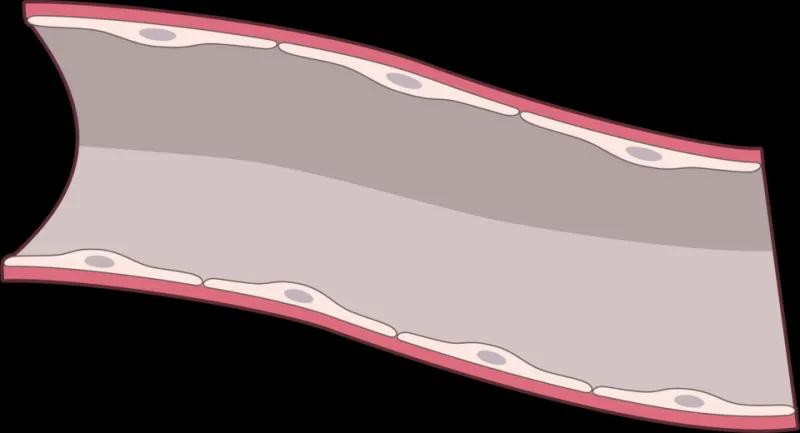
Erections are, at their core, a vascular event. Sexual arousal triggers the release of nitric oxide, which signals the smooth muscle lining the penile arteries to relax. Blood rushes in, pressure builds, and an erection results. That entire process depends on the endothelium — the thin cellular layer lining every blood vessel in the body — functioning properly.
Repeat hypoxia, the technical term for low-oxygen episodes, is one of the most potent known stressors of endothelial tissue. Each time oxygen levels plummet during an apneic episode, oxidative stress compounds, inflammatory markers rise, and the endothelium's capacity to produce nitric oxide diminishes. Over months and years, this translates directly into impaired blood flow to penile tissue — the mechanical underpinning of erectile dysfunction.
Studies published in journals including The Journal of Sexual Medicine have confirmed that endothelial dysfunction is significantly more prevalent in men with moderate-to-severe OSA compared to those without the condition. The vascular damage is systemic, but its consequences are felt acutely in the bedroom.
Testosterone's Nighttime Window — and What Apnea Does to It
Testosterone is not produced at a steady rate throughout the day. The majority of a man's daily testosterone synthesis occurs during sleep, particularly during slow-wave and REM sleep stages. These are precisely the stages that obstructive sleep apnea disrupts most aggressively.
Research has consistently shown that men with untreated OSA exhibit lower morning testosterone levels than men who sleep without interruption. The relationship is dose-dependent: the more severe the apnea, the more pronounced the hormonal suppression. Low testosterone, in turn, reduces libido, diminishes sexual motivation, and contributes independently to erectile dysfunction — creating a compounding effect that goes well beyond simple fatigue.
This is why men with sleep apnea often report not just difficulty achieving erections, but a general disinterest in sex. The drive itself has been chemically suppressed by a condition they may not even know they have.
Warning Signs Men Routinely Dismiss
Part of what makes OSA such an effective saboteur is that its symptoms are easy to rationalize away. Consider how many of the following a man might attribute to aging, stress, or simply a demanding schedule:
- Loud or chronic snoring, particularly snoring punctuated by pauses or gasping sounds
- Waking unrefreshed despite what appears to be a full night of sleep
- Daytime fatigue or brain fog, especially in the mid-afternoon
- Frequent nighttime urination, which can result from the pressure changes OSA creates in the chest cavity
- Morning headaches, caused by elevated carbon dioxide levels during sleep
- Difficulty concentrating or mood disturbances that seem disproportionate to circumstances
- Elevated blood pressure that is difficult to control despite medication
Any one of these symptoms warrants a conversation with a physician. Several occurring together, particularly in a man who also experiences erectile difficulties, should prompt a formal sleep evaluation without delay.
The Bidirectional Trap
The relationship between sleep apnea and erectile dysfunction is not a simple one-way street. Evidence suggests the two conditions reinforce each other in ways that can accelerate decline when left unaddressed.
OSA contributes to weight gain by disrupting the hormones that regulate appetite — specifically ghrelin and leptin. Weight gain, in turn, worsens OSA by increasing the soft tissue mass around the airway. Obesity also independently raises the risk of erectile dysfunction through its effects on testosterone, vascular health, and inflammation. The result is a feedback loop that tightens with each passing year of non-treatment.
Additionally, the psychological burden of both conditions compounds the problem. Men dealing with chronic fatigue, low libido, and sexual underperformance often experience anxiety and depression — both of which are independent contributors to erectile dysfunction. Addressing the root cause at the sleep level can interrupt this cycle before it becomes deeply entrenched.
What Treatment Looks Like — and What It Can Restore
The most widely prescribed treatment for obstructive sleep apnea remains continuous positive airway pressure (CPAP) therapy, which delivers a steady stream of pressurized air through a mask worn during sleep, preventing airway collapse. While CPAP requires an adjustment period, adherent patients report dramatic improvements in energy, mood, cognitive function, and — notably — sexual performance.
Multiple clinical studies have documented measurable improvements in erectile function among men who successfully treat their OSA. In some cases, resolution of the apnea leads to normalization of testosterone levels and restoration of erectile function without the need for pharmacological intervention. In others, treating OSA enhances the effectiveness of ED medications by improving the underlying vascular environment in which those medications operate.
Alternatives to CPAP include oral appliance therapy, which repositions the jaw to maintain airway patency, and in select cases, surgical intervention. Weight loss — even modest reductions of 10 to 15 percent of body weight — has been shown to meaningfully reduce OSA severity in overweight individuals.
Getting Evaluated: The First and Most Important Step
Diagnosis begins with a sleep study, either conducted in a clinical sleep laboratory or, increasingly, through validated home sleep testing devices. A primary care physician or urologist can initiate the referral. Men who have already sought treatment for erectile dysfunction and found incomplete results are particularly encouraged to raise the possibility of sleep apnea with their provider — it is a question that is too rarely asked in that clinical context.
At VCL Men's Health, we recognize that effective treatment of erectile dysfunction sometimes requires looking beyond the immediate symptom to the underlying conditions driving it. For a significant number of men, the most important prescription they will ever receive is not for a phosphodiesterase inhibitor — it is for a sleep study.
The bedroom problem may well be a breathing problem. And breathing problems, when properly identified and treated, are eminently solvable.