Why Your Romantic Getaway May Be Working Against You in the Bedroom

The Expectation Gap That Sets You Up to Fail
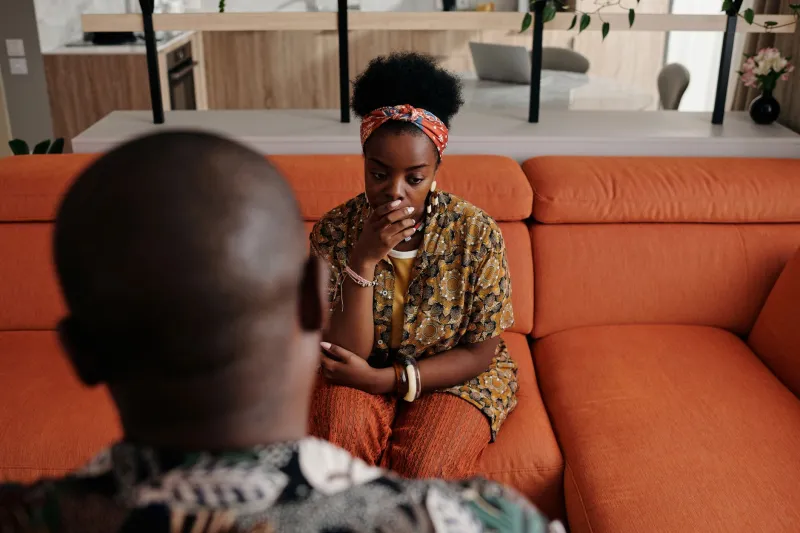
There is a particular kind of pressure that arrives with a booked hotel room and a romantic itinerary. The unspoken assumption that a vacation will automatically translate into heightened intimacy creates a performance expectation that, for many men, becomes its own obstacle. What should feel like relief frequently becomes a source of anxiety—and anxiety, as most men with erectile dysfunction already know, is one of its most reliable triggers.
But the problem extends well beyond psychology. The physical realities of travel introduce a cascade of physiological disruptions that can meaningfully impair erectile function, even in men whose sexual health is otherwise well-managed. Understanding these mechanisms is the first step toward preventing them.
Sleep Disruption: The Hidden Saboteur
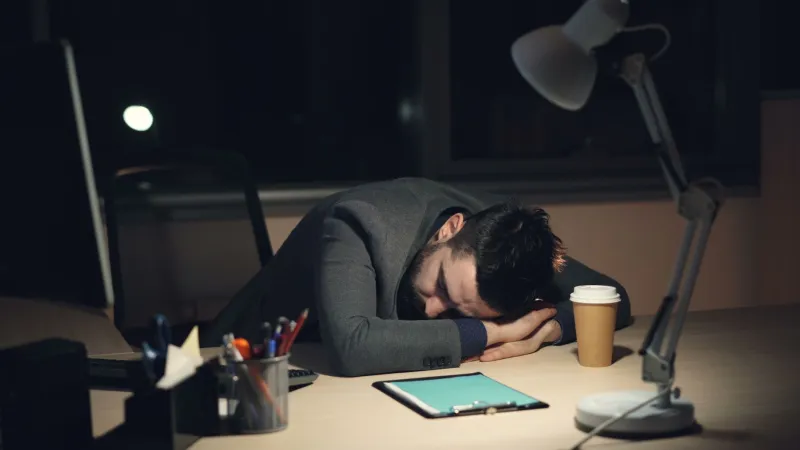
Erections are not purely events of arousal. They are also events of sleep. The average man experiences three to five nocturnal erections per night during REM sleep—a process that maintains penile tissue health by delivering oxygenated blood to smooth muscle cells. When sleep quality degrades, so does this restorative cycle.
Travel disrupts sleep in multiple ways simultaneously. Time zone changes desynchronize the body's circadian rhythm, which governs not only sleep-wake cycles but also testosterone production. Testosterone secretion follows a precise daily arc, peaking in the early morning hours after a full night of quality sleep. When that arc is flattened by jet lag or irregular sleep schedules, the hormonal foundation of sexual function weakens accordingly.
Unfamiliar sleeping environments compound the problem. Research in sleep science has documented what is sometimes called the "first night effect"—the tendency for one hemisphere of the brain to remain in a lighter, more vigilant state in novel surroundings. Hotel rooms, regardless of their quality, are not your bedroom. The sounds, the mattress firmness, the light patterns, and even the ambient air temperature differ from what your nervous system has learned to associate with deep, restorative sleep.
The Alcohol and Indulgence Factor
Vacations tend to involve more alcohol than ordinary life does. A cocktail at the pool, wine with dinner, a nightcap at the hotel bar—each individually modest, collectively significant. Alcohol is a vasodepressant. It impairs the vascular signaling cascade that produces an erection by suppressing nitric oxide release and reducing blood flow to penile tissue. Even two to three drinks can reduce erectile rigidity and delay or prevent orgasm.
Dietary changes during travel also matter more than most men realize. Rich restaurant meals high in sodium and saturated fat can temporarily impair endothelial function—the ability of blood vessel walls to dilate on demand. For men whose erectile health depends on precise vascular responsiveness, a few days of heavy eating can produce noticeable performance changes.
Dehydration, another common feature of travel involving flights, heat, and alcohol consumption, reduces blood volume and can affect circulatory efficiency in ways that extend to sexual performance.
Medication Routine Breakdown
For men who manage ED with prescription treatments, travel introduces a practical complication that is frequently overlooked during trip planning: medication timing. ED medications—whether taken on-demand or as a daily low-dose formulation—depend on consistency and proper physiological conditions to perform optimally.
When time zones shift, the window for taking a daily medication shifts with them, and men often improvise rather than plan. Taking a dose too close to a heavy meal, in a different relationship to sleep or alcohol than usual, or at an inconsistent time relative to the body's internal clock can reduce its effectiveness in ways that feel inexplicable in the moment.
If you rely on ED treatment, speak with your prescribing provider before travel. Ask specifically about how to adjust your schedule across time zones and whether any anticipated dietary or activity changes warrant a dosage conversation.
Why the Romantic Pressure Makes Everything Worse
Vacations compress expectations. When a couple has planned and paid for a romantic trip, the implicit script calls for passion to materialize on schedule. This creates a performance context that is almost uniquely hostile to natural erectile response. The anticipatory anxiety that precedes a sexual encounter under these conditions can activate the sympathetic nervous system—the fight-or-flight pathway—which is physiologically opposed to the parasympathetic state required for erection.
Men who have experienced previous ED episodes are particularly vulnerable to this cycle. A single unsuccessful encounter on the first night of a trip can establish a pattern of hypervigilance that persists for the duration of the vacation.
Practical Strategies for Protecting Sexual Health While Traveling
Prioritize sleep above almost everything else. Bring a travel pillow, use blackout eye masks, and consider a white noise application on your phone. Protect the first two nights of a trip with earlier bedtimes to allow circadian adjustment before any intimate expectations arise.
Moderate alcohol consumption deliberately. Rather than eliminating it entirely, which may feel socially awkward, set a personal ceiling and adhere to it. Spacing drinks with water and avoiding consumption within two hours of anticipated intimacy can reduce impact significantly.
Maintain your medication schedule with precision. Use your phone's alarm function to account for time zone changes. Carry medications in your carry-on luggage, never in checked bags, and bring more than you anticipate needing.
Decompress before you attempt to connect. Give yourself at least one full day after arrival before placing any intimate expectations on yourself or your partner. Let your nervous system settle. The vacation is long enough.
Communicate with your partner. A brief, honest conversation about the adjustment period—framed not as a warning but as shared awareness—removes the pressure of unspoken expectation. Partners who understand the physiology are partners who can help rather than inadvertently add to the anxiety.
The Getaway Can Still Deliver
None of this means vacations are incompatible with healthy sexual function. For many men, removing the daily stressors of work and routine genuinely does improve erectile health over the course of a longer trip once the adjustment period passes. The key is recognizing that the first 48 hours of travel carry specific physiological challenges, and planning accordingly.
If you find that travel-related ED is a persistent pattern, it is worth discussing with a healthcare provider who specializes in men's sexual health. What presents as a travel problem may reflect underlying vascular or hormonal factors that deserve attention regardless of your zip code.